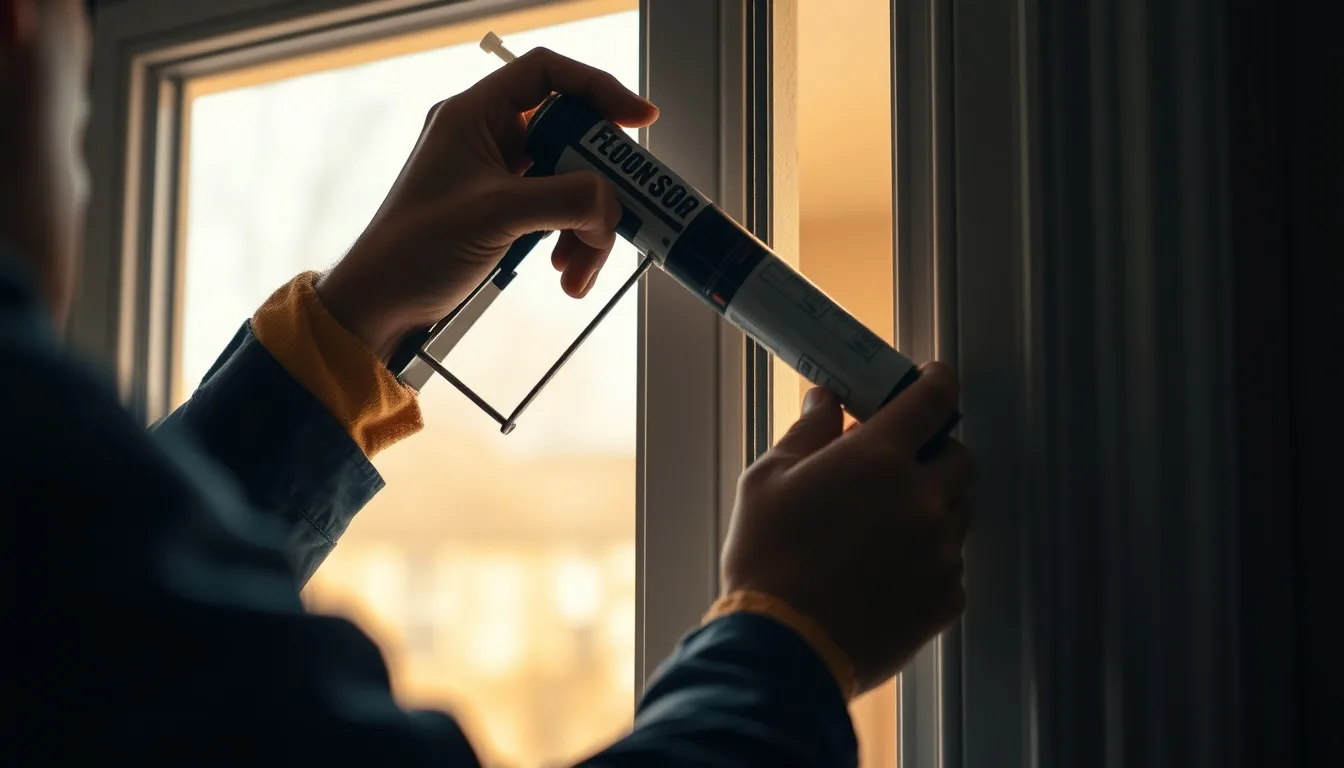
ATTIC AIR SEALING
Attic Air Sealing — Closing the Gaps That Are Quietly Draining Your Comfort and Your Budget
Cold spots that never warm up, drafts you can't quite locate, a bill that keeps climbing, ice creeping along your roofline every winter — most of these trace back to the same root cause: air moving through your house where it was never supposed to. Attic air sealing closes those gaps at the source.
One Root Cause Behind a Lot of Different Complaints
If you've read any of the other comfort issues we cover — a room that's always cold, a draft near a window, an upstairs that runs hot while downstairs runs cold, a bill that keeps climbing for no obvious reason, ice building up along the roofline every winter — you've probably noticed they don't sound related. They feel like separate problems happening in separate parts of the house.
Very often, though, they trace back at least partly to the same thing: air moving through your house where it shouldn't be. Warm conditioned air leaking out through gaps you can't see, and cold outside air finding its way back in to replace it, shows up as a dozen different symptoms depending on where in the house it's happening — but the underlying cause is frequently the same. That's why air sealing tends to be the single highest-value fix on this entire site, and why it's worth understanding on its own rather than only as a line item inside another service.
Think of it as the connective tissue running underneath every other page here. A cold room, a mystery draft, an upstairs that never matches downstairs, a bill that quietly crept up over a couple of years, ice building along the eave every winter — treat each one as its own isolated problem and you can spend a lot of money chasing five separate fixes. Treat air movement as the shared thread and, more often than not, one well-targeted project addresses several of them at once.
Why Houses Leak More Than People Expect
Most homeowners picture air leaks at windows and doors, because that's where a draft is easiest to feel. In reality, the biggest leaks are usually somewhere you'd never think to check:
- Around recessed "can" lights, where the fixture cuts a hole straight into the attic above
- At the attic hatch or pull-down stairs, which are rarely sealed as tightly as the surrounding ceiling
- Wherever plumbing or wiring penetrates a wall, floor, or ceiling — chases and utility runs are notorious gap-makers
- At the rim joist in the basement, where the foundation meets the floor framing
- Around old exterior penetrations — hose bibs, vents, and utility lines that were never fully sealed when installed
Why You Can't Just Feel Your Way to Finding All of Them
A draft near a window is easy to notice because it's at chest height, right where you're standing. But many of the biggest leaks in a house aren't at eye level at all — they're up in the attic or down in the basement, entirely invisible without the right tools. A house can have serious air leakage and still feel perfectly still when you walk through it, because the air isn't moving past your skin, it's moving through the building envelope above your ceiling and below your floor.
That's the real reason a homeowner can spend a weekend caulking every window in the house and still not see much change on the next bill — the leaks doing the real damage were never at the windows to begin with. Air also doesn't leak evenly across a house; it concentrates at specific gaps and pressure points, which means two homes that look identical from the street can have completely different leak patterns depending on how they were built and what's changed since.
How We Find Out Where the Leaks Actually Are
This is where the blower door test comes in, and it's a lot less intimidating than it sounds. A large fan temporarily fits into an exterior doorway and gently depressurizes the house — you'll feel a mild pressure change, nothing more, and nothing about your home is cut, drilled, or damaged. With the house depressurized, outside air gets pulled in through every gap that exists, which we can then find and pinpoint using a smoke pencil (a thin stream of smoke that visibly bends toward a leak) or a thermal camera, which shows the temperature difference a leak creates in real time.
We walk the attic, the basement, and every accessible cavity in between during this process, because a leak that's invisible from inside a finished room is often obvious once you're standing next to it with the right tool. You're welcome to walk it with us — most homeowners find it genuinely eye-opening to see, in real time, exactly where their house has been losing air all along.
The result is a real, room-by-room map of where your house is actually leaking, rather than a guess based on which rooms feel drafty. It typically takes about two hours for a whole-home test, and you're welcome to be there watching the whole time.
The Fix: Matched to the Type of Gap
Air sealing isn't one product — it's a set of methods matched to the specific gap. Caulk and foam handle smaller gaps and penetrations. Weatherstripping addresses movable parts like doors, attic hatches, and pull-down stairs. Mastic seals ductwork joints and connections. Rigid air barriers, cut and fitted at attic bypasses — the places where interior walls or chases open into the attic — stop some of the largest and least-visible leaks in a typical home. We match the method to what the diagnosis actually found, working from the biggest leaks down.
Cost and What Drives It
Air sealing cost depends on home size, age, and how many and how severe the leaks turn out to be. A targeted job — sealing attic bypasses only, for example — costs meaningfully less than a full whole-house sealing project addressing the attic, rim joists, and every significant penetration we find. We scope and price the work after the blower door test identifies what's actually there, not before, so you're paying for a plan built around your specific house rather than a generic package.
Older homes with a lot of penetrations and additions tacked on over the years tend to land at the higher end of the range, simply because there are more places for a leak to hide. Newer homes usually need a lighter, more targeted scope. Either way, you'll see the actual leak map before we quote anything, so the number reflects your house, not an industry average.
Why Air Sealing Usually Comes First
Air leakage alone is estimated to account for 25 to 40 percent of the energy used for heating and cooling in a typical home, according to ENERGY STAR — and insulation added on top of an unsealed house underperforms, because moving air carries heat past insulation far more effectively than insulation alone can resist. That's why air sealing is usually the highest-value first step before adding insulation or upgrading a furnace or AC: a leaky, unsealed house can make even a brand-new, correctly sized system struggle to keep up. Sealing first often means less insulation and smaller equipment gets you to the same comfort, at a lower total cost.
A Nationwide Air Sealing Company You Can Rely On
As an air sealing company working with homeowners nationwide, we treat this as the connective-tissue service it actually is — the fix behind a lot of the comfort problems you might have already been researching separately. If you've been searching for an air sealing company near you because of a cold room, a mystery draft, a climbing bill, or ice on the roofline, there's a good chance it all traces back to the same set of gaps.
Call 844-967-5247 or email josh@contractorschoiceagency.com to schedule a whole-home air leak assessment. We'll show you exactly what the blower door and thermal camera find, explain it in plain language, and give you a clear, prioritized plan.
Attic Air Sealing FAQs
Honest answers, before you book anything
Most "window drafts" are actually air leaking around the frame, not through the glass — gaps in the framing, worn weatherstripping, or a poor original seal let outside air in even with the window fully shut and locked.
No — it's a non-invasive test. A large fan temporarily fits into an exterior doorway to slightly depressurize the house, which makes air leaks findable, often with a smoke pencil or thermal camera. Nothing is cut, drilled, or damaged.
It can, if sealing isn't paired with adequate ventilation — that's exactly why we check ventilation as part of any air-sealing project and recommend fresh-air solutions alongside sealing, not instead of it.
No — the goal is a house that's sealed against accidental, random leaks but still gets a planned, controlled amount of fresh air on purpose. Sealing without a ventilation plan can leave a home under-ventilated, which is why we evaluate both together on every project.
It depends on the home's size, age, and how many and how severe the leaks are — a targeted job, like attic bypasses only, costs less than a whole-house sealing project. We scope and price it after finding the actual leaks, not before.
Tired of that one room that's never comfortable?
Free phone consultation. We'll listen to what you're feeling in the house, then tell you honestly what it will take to fix it.